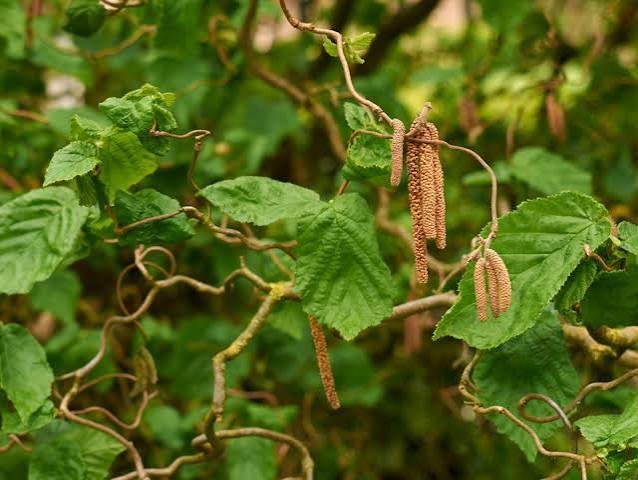
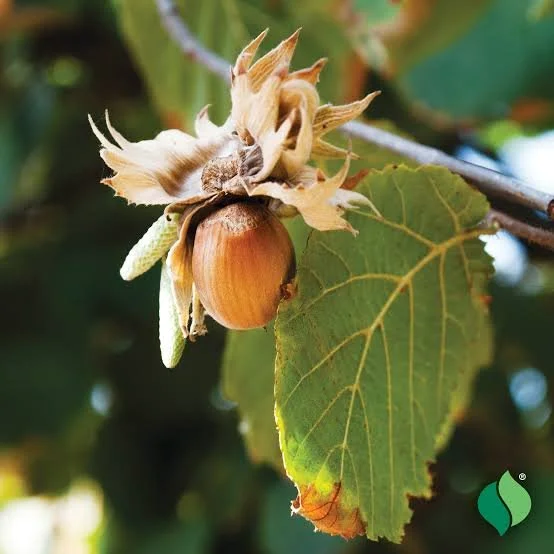
Hazelnut trees are a small deciduous tree/shrub that prefer fertile, well-draining soil and consistent moisture. To get nuts, they need chilling hours and you must plant two different varieties as they rely on wind for cross-pollination. They produce edible nuts that fall in March. Suited to most soil types and can handle full sun, partial shade, non coastal winds and frost.
Dried hazelnuts store for at least a year. Bark, leaves and catkins can all be used medicinally. Hazelnuts are also good as hedging, coppicing firewood, charcoal, livestock feed or smoker wood.
Hazelnut trees are a small deciduous tree/shrub that prefer fertile, well-draining soil and consistent moisture. To get nuts, they need chilling hours and you must plant two different varieties as they rely on wind for cross-pollination. They produce edible nuts that fall in March. Suited to most soil types and can handle full sun, partial shade, non coastal winds and frost.
Dried hazelnuts store for at least a year. Bark, leaves and catkins can all be used medicinally. Hazelnuts are also good as hedging, coppicing firewood, charcoal, livestock feed or smoker wood.